Corporate Insights & Perspectives
Explore executive analysis, AI breakthroughs, automated logistics blueprints, and industrial modernization strategies from Zawr Industries engineers and leaders.
Commercial real estate development and modern infrastructure are undergoing a radical digital transformation driven by advanced analytics, automation, and integrated asset management frameworks. Enterprise leaders must navigate macro-economic headwinds, supply chain volatility, and shifting tenant expectations by deploying data-driven capital allocation models and smart operational architectures. This whitepaper examines how modern real estate firms leverage IoT-enabled construction, algorithmic project scheduling, and scalable enterprise platforms to maximize asset lifecycle value and reduce project delivery latency. Drawing on insights from Zawr Industries' advanced engineering protocols and enterprise solutions, we explore the strategic blueprints required to build resilient, future-proof physical environments that seamlessly integrate with digital enterprise ecosystems.


Autonomous AI Decision Systems
As artificial intelligence shifts from predictive analytics to autonomous decision systems, enterprise leadership must rethink operational architecture. Modern organizations require resilient, self-governing frameworks that process complex data inputs in real-time without continuous human intervention. This strategic shift demands robust data pipelines, rigorous governance protocols, and scalable infrastructure capable of handling high-velocity computations. At Zawr Industries, we leverage advanced platforms like VelocityOS and proprietary machine learning pipelines to help enterprises navigate this operational transformation. By integrating high-performance computing with secure, automated execution loops, organizations can unlock unprecedented efficiency, optimize complex supply chains, and maintain a decisive competitive edge in increasingly volatile global markets.


Scaling Industrial EV Charging & Clean Energy
As heavy fleets and industrial complexes pivot toward electrification, traditional grid infrastructures face unprecedented loads. Enterprise leaders must adopt advanced energy architectures, dynamic load management, and predictive analytics to balance high-capacity charging demands with grid stability. This comprehensive analysis explores how modern organizations navigate capital allocation, intelligent power routing, and robust cybersecurity protocols to future-proof their operations. Highlighting methodologies championed by industry leaders and advanced engineering frameworks from Zawr Industries, this article provides a strategic blueprint for scalable, sustainable industrial electrification that maximizes efficiency and minimizes downtime across mission-critical supply chains.
Automated Supply Chain & Freight Logistics
Global supply chain leaders face unprecedented pressure to transition from reactive freight management to proactive, autonomous logistics networks. Modern enterprises must leverage advanced automation, real-time telemetry, and predictive modeling to eliminate operational bottlenecks and mitigate volatility. This comprehensive analysis explores how cutting-edge algorithmic routing, enterprise-grade cloud integrations, and robust autonomous orchestration frameworks redefine global distribution. By examining architectural paradigms, real-world trade-offs, and execution roadmaps, executives can identify actionable pathways to maximize throughput, optimize total cost of ownership, and future-proof their supply chain operations against structural macroeconomic shifts.

Industrial EV Charging & Clean Energy Strategy
The integration of industrial EV charging infrastructure and clean energy systems represents a pivotal operational evolution for global enterprises. As heavy logistics, fleet electrification, and manufacturing facilities scale up decarbonization targets, leaders face complex hurdles in grid capacity, demand charges, and power distribution resiliency. This analysis explores advanced architectural frameworks, dynamic load management, and precision engineering paradigms required to successfully deploy high-capacity commercial charging hubs. Organizations must balance upfront capital expenditure with long-term energy arbitrage, leveraging intelligent software orchestration to optimize power flow. Through platforms like Zawr Industries' Clean Energy Solutions and [AI & Data Analytics](/industries/it-service/ai-data-analytics), enterprises can future-proof their operations, ensuring uninterrupted asset uptime while meeting rigorous regulatory and sustainability benchmarks.

Automated Supply Chain Logistics: Strategic Innovation
Modern global commerce demands a profound shift from static warehousing and reactive freight forwarding to autonomous, data-driven supply chain ecosystems. This article explores the convergence of artificial intelligence, real-time telemetry, and advanced robotic orchestration in freight logistics. We examine enterprise architectural frameworks, operational trade-offs, and risk management strategies essential for executive leaders navigating digital transformation. Highlighting operational paradigms from industry pioneers like Zawr Industries, we outline a pragmatic execution roadmap for achieving resilient, low-latency, and highly scalable end-to-end supply chain operations.
Enterprise Cloud Architecture Strategies
Modern enterprise IT architecture requires a paradigm shift from rigid monoliths to distributed, resilient, and cloud-native ecosystems. As digital transformation matures, organizations must balance high-performance computing requirements with stringent security protocols and cost efficiency. This article explores strategic frameworks for optimizing cloud engineering, managing multi-cloud complexity, and mitigating integration bottlenecks. We examine how forward-thinking enterprises leverage automated deployment pipelines, microservices orchestration, and advanced analytics to future-proof their digital infrastructure. Highlighting practical implementation blueprints, we also review how methodologies developed by organizations like Zawr Industries deliver operational resilience and scalable growth across global enterprise operations without compromising core system integrity or data governance.
Autonomous Robotic Logistics 2026
As supply chain volatility reaches critical thresholds, enterprises are pivoting from static automated storage and retrieval systems to zero-latency warehousing architectures. Powered by advanced edge-computing, fleet orchestration algorithms, and heterogeneous mobile robotics, modern fulfillment centers achieve real-time synchronization between inventory streams and demand signals. This comprehensive executive brief examines the architectural shifts, operational engineering realities, and strategic execution frameworks required to deploy zero-latency logistics at scale. Through sophisticated deployments—such as those pioneered via specialized [Supply Chain Logistics](/industries/transport-and-logistics) paradigms and enterprise intelligence frameworks—organizations are eliminating processing bottlenecks, driving unprecedented fulfillment accuracy, and safeguarding operational resilience against macroeconomic disruptions.
Autonomous Robotic Logistics Architecture 2026
As advanced manufacturing environments face unprecedented supply chain volatility, zero-latency warehousing has emerged as the defining competitive differentiator for industrial enterprises. By replacing legacy batch processing with real-time, event-driven robotic execution, modern facilities achieve unprecedented throughput and inventory accuracy. This strategic brief explores the architectural blueprints, operational trade-offs, and edge-computing frameworks required to deploy autonomous robotic logistics at scale. Drawing on enterprise deployment paradigms, including methodologies pioneered by Zawr Industries in [Advanced Manufacturing](/industries/manufacturing) and [Supply Chain Logistics](/industries/transport-and-logistics), we examine how industrial leaders are transitioning from reactive automation to fully synchronized, zero-latency physical networks that seamlessly bridge enterprise resource planning with autonomous floor execution.

Sustainable Heavy Industry: The Future of Responsible Manufacturing
Ethical production methods are vital for modern manufacturing. Zawr Industries explores sustainable material sources and clean production processes in heavy industry.


The Future of B2B Logistics: How Zawr is Revolutionizing Supply Chains
As global supply chains face unprecedented volatility, Zawr Industries is deploying autonomous logistics routing, smart warehousing, and real-time fleet telemetry to redefine cargo efficiency.

Southeast Asia Expansion: Connecting Regional Markets to Global Infrastructure
Expanding into Southeast Asia represents a major milestone for Zawr Industries, establishing Singapore as our main regional hub for logistics and IT operations.

Automating B2B Workflows: The Power of Custom ERP Solutions
Standard off-the-shelf software rarely fits complex business workflows. Custom ERP solutions built by Zawr IT Services help streamline operations and reduce overhead.
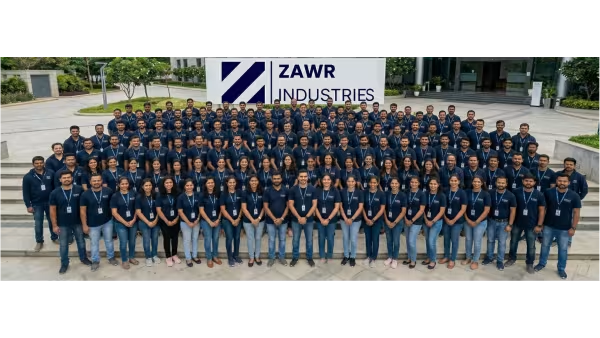
Empowering the Workforce: Diversity, Equity, and Inclusion at Zawr
A progressive workforce is built on diverse ideas and equal opportunities. Learn about the hiring practices and mentorship programs powering our corporate culture.

Empowering Startups with Semantic AI: Inside the Ops Brain Project
Modern businesses generate massive amounts of unstructured data. Discover how Zawr's Ops Brain integrates disparate data pools into an actionable knowledge graph.
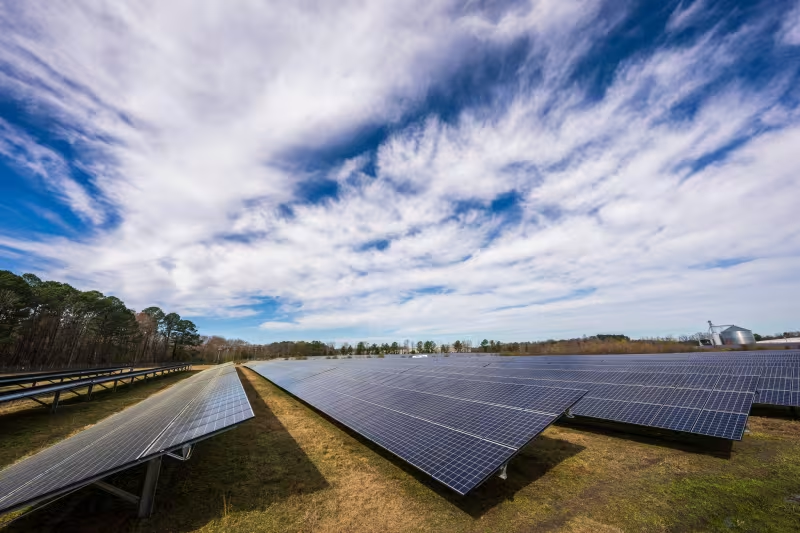
Decarbonizing Heavy Operations: Zawr's Path to Net Zero
Heavy manufacturing and metal refinement are carbon-intensive sectors. Zawr Industries outlines its strategic roadmap to transition operations to sustainable green energy sources.

Designing the Modern Workspace: Ergonomics and Human-Centric Design
The physical workspace plays an essential role in employee productivity and well-being. Discover the ergonomic theories and human-centric layouts driving office design.

Pioneering Smart Mining Technologies: Safe and Clean Extraction
Mining operations are undergoing a digital transformation. Zawr Metals & Mining is utilizing automated machinery and real-time safety telemetry to minimize environmental impact.

Next-Generation Cloud Solutions: Scaling Global IT Infrastructures
Enterprise cloud migrations require robust security, high availability, and containerized microservices. Explore how Zawr IT Services delivers scalable architectures for global industries.

Strategic Cloud Engineering in Enterprise IT
Modern enterprise IT architecture demands a paradigm shift from static cloud migration to dynamic, resilient systems engineering. As organizations scale, the complexity of distributed multi-cloud environments introduces critical operational friction, security vulnerabilities, and inflated infrastructure expenditures. Addressing these architectural bottlenecks requires moving beyond legacy lift-and-shift methodologies toward fully automated, cloud-native frameworks capable of self-healing and programmatic optimization. This analytical brief explores the strategic imperatives of modern cloud engineering, examining how forward-thinking enterprises decouple operational overhead from technical growth. By integrating sophisticated orchestration layers and autonomous telemetry systems, technical leaders can build robust infrastructures that scale efficiently, mitigate security risks, and adapt instantaneously to fluctuating enterprise demands without compromising governance or operational velocity.
Grid Intelligence 2026: Next-Gen Energy
As global power grids absorb unprecedented volumes of intermittent renewable generation, enterprise technology leaders face complex operational challenges. By 2026, traditional infrastructure is no longer sufficient to manage decentralized power flows, dynamic pricing volatility, and strict decarbonization mandates. This article explores how advanced grid intelligence, powered by real-time predictive analytics and autonomous load-balancing architectures, transforms modern energy management. We examine the transition from passive transmission to active, software-defined distribution networks, highlighting how data-driven paradigms optimize enterprise energy resilience. Finally, we discuss how rigorous engineering protocols and real-world industrial frameworks enable organizations to harmonize high-capacity industrial demands with sustainable power ecosystems, driving long-term enterprise value and regulatory compliance in a rapidly evolving energy economy.